NIGHT & DAY


14 AUG 2018
Just a few days ago, you had no complaints—you were feeling fine and ready to go. But then you woke up with a stuffy nose—that unmistakable sensation of something wrong going on inside your body.
What causes nasal congestion? Have you caught a cold? Could it be the flu? Maybe it’s just your allergies acting up again. Even though nasal congestion is a common symptom of numerous ailments, you can probably figure out what’s behind your stuffy nose simply by taking stock of your other symptoms.
Keep reading to get help finding out what is causing your nasal congestion and to find appropriate relief for your nasal congestion’s cause.
Nasal congestion, commonly referred to as a stuffy nose, occurs when the tissues and blood vessels in the nasal passages become swollen with excess fluid. This can lead to a feeling of stuffiness and difficulty breathing through the nose. It's a common symptom of many illnesses, including the common cold, flu, and allergies. Understanding what causes nasal congestion is key to finding effective relief.
Nasal congestion can manifest in several ways. Common symptoms include:
Nasal congestion causes are varied and can include:
Understanding what really causes nasal congestion involves looking at both immediate triggers and underlying factors. For example, while a common cold might cause temporary congestion, chronic conditions like sinusitis or structural abnormalities in the nasal passages can lead to persistent symptoms.
You may think that you have a stuffy nose because your body is producing more mucus, but that’s only partly true. Nasal congestion happens when the tissues in your nose become swollen because of inflamed blood vessels.
It’s one of the first things to occur when you catch a common cold. There are more than 200 viruses that can cause a cold, according to the Centers for Disease Control and Prevention, which may help explain why most adults come down with two to three colds each year. Common cold symptoms include nasal congestion, sneezing, postnasal drip, a sore throat, and coughing. Although you may feel more fatigued than usual, you probably won’t run a fever, have a headache, or experience body aches.
The dreaded flu—once you’ve had it, it’s the last thing you’ll ever want to have again. That’s because the flu typically comes with a high fever that lasts for days, a headache, and general aches and pains that can be quite severe, as well as the kind of fatigue that can leave you feeling weak for up to three weeks. Although people with the flu don’t always have significant nasal congestion, having some amount of congestion is relatively common. You may also experience a sore throat, a cough, and some chest discomfort. A cold may interfere with your day-to-day life, but the flu is far more likely to knock you off your feet for a while.
Nasal congestion is a hallmark symptom of acute sinusitis, commonly known as a sinus infection. Many times, a sinus infection starts with a cold virus—a cold that lingers or gets worse after five to seven days is often a sign of sinusitis. With this type of infection, both the tissues lining your nasal passage and those lining your sinuses become inflamed. Mucus builds up and may cause headaches, pressure behind your eyes, and general facial tenderness.
Sinusitis usually comes with a sore throat and cough caused by postnasal drip, a fever, fatigue, and bad breath. Though sinus infections are often treated with antibiotics and can be caused by bacteria, many of them are viral.
It’s easy to see why it can be hard to distinguish between having a cold and dealing with allergies, as the two have several symptoms. Nasal congestion, with or without a runny nose, is part and parcel of most airborne allergies. Sneezing is also common, and you may also experience a sore throat and a cough. You know you have allergies, however, when your cold-like symptoms also come with wheezing and watery or itchy eyes. Another major difference between having a cold and dealing with allergies is that a cold takes a few days to develop, while the stuffy nose of an allergic reaction begins shortly after you’ve been exposed to an allergen.
Whenever you’re feeling under the weather, it’s important to prioritize rest so your immune system is at its best. And no matter what your nasal congestion causes, you can find immediate relief by doing any or all of the following:
It is important to note that it is crucial to use over-the-counter (OTC) medications as directed and seek medical care when necessary. If your symptoms persist, worsen, or are accompanied by severe pain, high fever, or difficulty breathing, it is essential to consult a healthcare professional for a proper diagnosis and appropriate treatment.
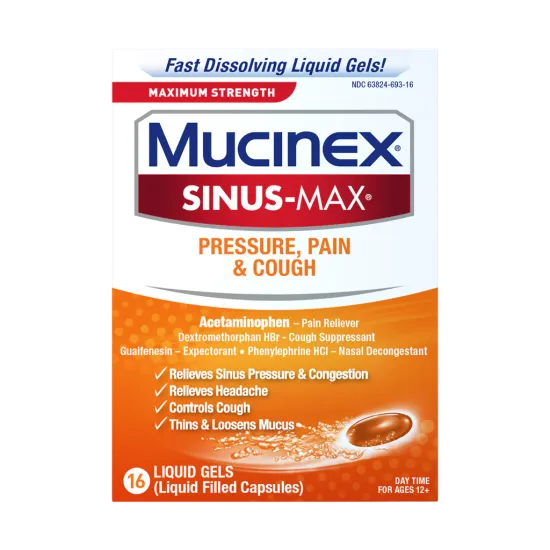
When it comes to relieving nasal congestion, finding an effective treatment is crucial for comfort and overall well-being. Mucinex Sinus-Max® Severe Nasal Congestion Relief Clear & Cool Nasal Spray can help in this regard.
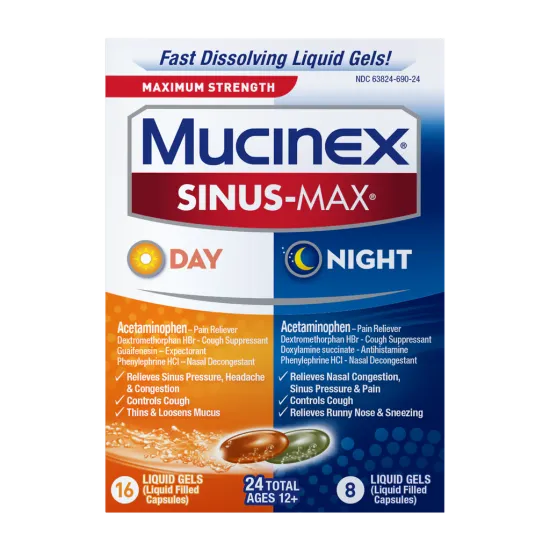
This non-drowsy spray provides targeted sinus congestion relief allowing you to breathe freer through the nose and feel more comfortable throughout the day or night. Whether your nasal congestion is caused by upper respiratory allergies or other factors such as a cold or the flu, Mucinex Sinus-Max offers a variety of solutions to help you manage your symptoms effectively.
While nasal congestion is often a minor and temporary issue, there are times when it's important to seek medical advice. Contact a healthcare provider if you experience any of the following:
After reading this blog post, you now have a better understanding of what really causes nasal congestion. Whether it's due to the common cold, the flu, sinusitis, or allergies, nasal congestion can be a bothersome symptom that affects your daily life. The common cold and the flu come with their own set of symptoms, including fatigue, a sore throat, and coughing, while sinusitis involves inflammation of the nasal and sinus tissues. Allergies, on the other hand, can cause nasal congestion along with sneezing, itchy eyes, and wheezing.
Fortunately, there are several ways to find relief, such as getting plenty of rest, staying hydrated, using warm compresses, running a humidifier, and considering over-the-counter decongestants or antihistamines. By understanding the underlying nasal congestion causes and exploring appropriate remedies, you can better manage nasal congestion and its causes.