Read more
Cold & Flu Sore Throat Relief Options
A sore throat can be an uncomfortable and frustrating condition that many of us have experienced at some point in our lives. It can...
COLD & FLU TIPS



07 JAN 2025
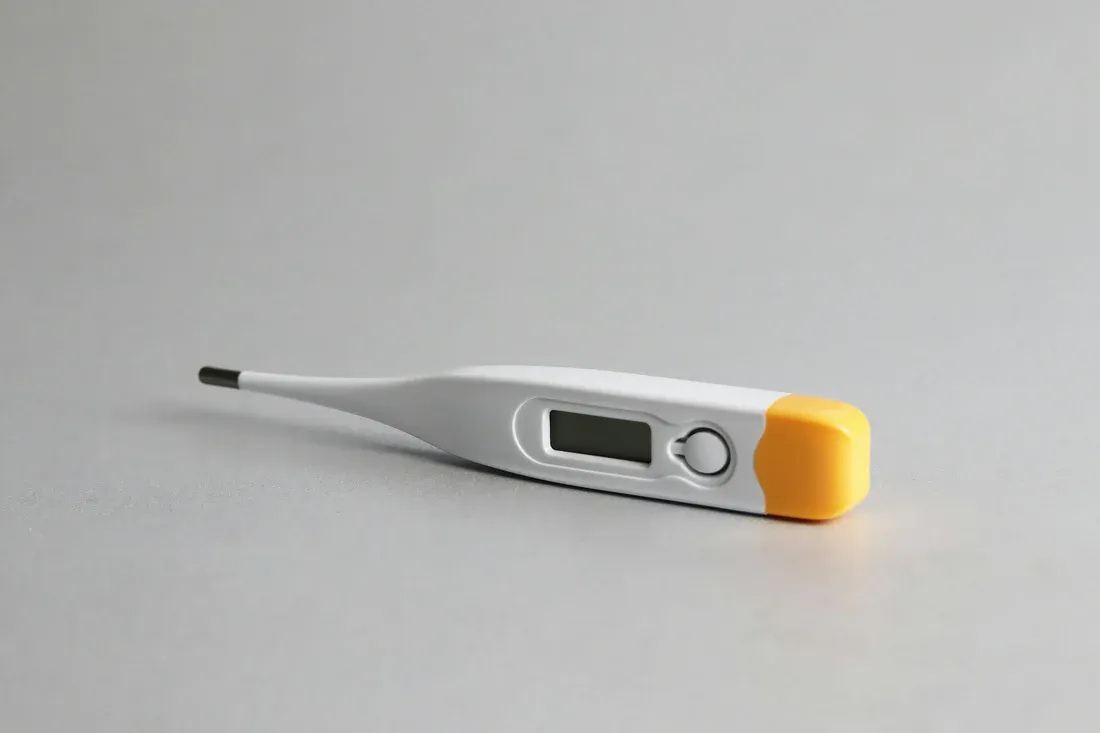
Fever and chills often go hand in hand, leaving many people wondering why these symptoms seem to pair up so frequently. You might be wrapped up in a blanket, shivering uncontrollably, even though your thermometer reads a high temperature. It's a puzzling and uncomfortable experience, but there's a reason behind it. Understanding why chills accompany fever can help you manage these symptoms better when they strike.
In this article, we'll explore the connection between chills and fever, what causes them, and how you can find relief. Let's dive into why your body reacts this way and what it means for your health.
Chills are that unmistakable feeling of coldness that makes you want to reach for the nearest blanket. You might experience shivering, goosebumps, and a general sense of being cold, even if the room temperature is perfectly comfortable. This sensation happens because your muscles are contracting and relaxing rapidly in an attempt to generate heat. It's your body's natural response to trying to increase its internal temperature.
When you have a fever, your body's thermostat, located in the hypothalamus of your brain, sets itself to a higher-than-normal temperature. As your body works to reach this new set point, you start feeling cold and shivering. This shivering is your body’s way of producing extra heat to meet the new temperature goal.
It's important to remember that chills are not a disease themselves but a symptom of something else going on in your body, most commonly an infection. They can also occur in response to other conditions, like exposure to a cold environment, certain medications, or inflammatory illnesses.
While chills can be uncomfortable and sometimes alarming, they are generally a sign that your body is doing its job to fight off whatever is causing the fever. By understanding what chills are and why they happen, you can better manage your symptoms and know when it might be time to seek medical advice.
Chills can be caused by several different factors, but they are most commonly associated with infections. When you have an infection, your body’s immune response triggers the release of pyrogens, which cause your brain to raise your body temperature, resulting in a fever. Why do you get chills with a fever? As your body adjusts to this new, higher temperature, you experience chills and shivering as a way to generate more heat and reach the set point.
What causes a fever and chills can vary widely. Common culprits include viral and bacterial infections such as the flu, colds, and strep throat. These infections stimulate your immune system, which then causes the fever and chills as part of its defense mechanism. Why does a fever cause chills? It's simply your body's way of creating the heat needed to fight off the infection more effectively.
Other potential causes of chills without fever include exposure to cold environments, where your body shivers to generate heat and maintain a normal temperature. Certain medications and medical conditions, like hypoglycemia or hypothyroidism, can also cause chills.
Dealing with fever and chills can be uncomfortable, but there are several ways to find fever relief and make yourself feel better. First and foremost, stay hydrated. Rehydrating yourself with plenty of water, herbal tea, or clear broths will help maintain a healthy body temperature and prevent dehydration, which can exacerbate symptoms.
Rest is also crucial. Your body needs time to fight off the infection, so make sure to get plenty of sleep and take it easy. Over-the-counter medications such as acetaminophen or ibuprofen can be very effective in reducing fever and alleviating the accompanying chills. These medications work by lowering your body temperature and providing pain relief, making you feel more comfortable.
For those experiencing a low-grade fever, it's often beneficial to dress in light layers. This allows you to adjust your clothing to stay comfortable as your body temperature fluctuates. Keeping the room at a moderate temperature and using a fan or a cool, damp cloth can also help.
Here are some additional tips for dealing with fever and chills:
Remember, if your fever and chills persist for more than a few days or are accompanied by severe symptoms, it's important to seek medical advice. Proper treatment can help you recover more quickly and ensure there are no underlying issues that need to be addressed.